Learn about the Essential Services Provided by a Professional Arborist to Ensure Tree Health
A professional arborist delivers a variety of services crucial for maintaining healthy trees and beautifying outdoor spaces. Their expertise in tree pruning stimulates development and minimizes threats. They also diagnose and manage tree diseases, ensuring tailored treatment plans are in place - Florence Arborist. Additionally, arborists perform safe tree extractions and help with planting and transplanting. Their role is even more vital during emergencies such as storm damage. Being aware of these services can greatly impact one’s approach to tree care
The Significance of Tree Pruning
Although many homeowners may overlook the need for tree pruning, it is crucial in maintaining the health and aesthetics of trees. Effective pruning assists trees in building a sound framework, eliminating dead or infected limbs that could pose risks. By carefully cutting branches, the tree can concentrate its resources on healthy growth, encouraging improved air flow and sunlight penetration. Additionally, pruning can enhance the overall appearance of the tree, forming it for visual beauty in residential landscapes.
Moreover, regular pruning can prevent potential hazards, such as falling branches during storms or high winds, which could damage property or cause personal injury. It also helps prevent of insect problems and diseases by improving the tree's resilience. Ultimately, hiring professional arborists for tree pruning makes sure trees are kept healthy, safe, and attractive, contributing considerably to the overall beauty and value of the property.
Assessing and Handling Tree Diseases
Tree health can be considerably affected by different illnesses that may not always be readily apparent. A professional arborist serves a vital function in detecting these problems soon, utilizing a combination of visual inspections and testing equipment. Symptoms such as discolored leaves, wilting, or irregular growth shapes often indicate hidden health problems. Arborists evaluate these signs to pinpoint particular diseases, whether fungal, bacterial, or viral in nature.
Once diagnosed, the professional designs a specific treatment strategy. The plan often involves specific applications, such as bactericides or fungicides, and maintenance techniques that boost the tree's resistance. Furthermore, proper watering, the application of mulch, and fertilization can considerably improve tree health and defense against pathogens. Routine check-ups and follow-up treatments are essential for effective management, securing the long life and vigor of the trees. When dealing with tree diseases promptly, tree specialists ensure the beauty and ecological benefits of thriving trees.
Safe Tree Removal Practices
Effective tree removal practices are essential for guaranteeing safety and minimizing damage to surrounding property. Expert tree specialists conduct a comprehensive evaluation of the tree's condition, its location, and the immediate vicinity before beginning the felling process. Arborists use specific tools, such as chainsaws and rigging gear, to make clean incisions and manage the tree during its descent.
A carefully designed extraction plan involves spotting possible dangers, such as nearby buildings or utility lines, which can affect the security of the job. Arborists often use a technique called "sectional dismantling," in which the tree is removed in smaller segments, lessening the hazard posed by dropping wood.
Furthermore, arborists adhere to local rules and standards to guarantee compliance and ecological responsibility. Once the tree is down, thorough clearing and removal of the tree debris, stump treatment as well, help improve the overall security and aesthetics of the property.
Tree Planting and Relocation
Planting and transplanting trees requires careful consideration of choosing the location and planting techniques to ensure future vitality and growth. An appropriate setting greatly affects a tree's development, and correct installation techniques minimize stress and aid in successful rooting. Arborists emphasize these factors as essential for enhancing the vigor and longevity of trees in any landscape.
Proper Site Selection

Choosing the right location for planting or transplanting trees is essential for their future development and vitality. Factors such as the condition of the soil, the amount of sun, and water runoff must be thoroughly assessed. Professional arborists evaluate the location's features, to guarantee that the selected area provides adequate nutrients and support for the tree species. In addition, the proximity to existing structures and neighboring vegetation is crucial to avoid resource contention and prevent possible harm. Arborists also consider the tree’s maximum height and width and underground network, ensuring sufficient space for growth. Through a comprehensive site evaluation, arborists enable clients choose wisely that encourage strong, successful trees, which boosts the landscape’s visual appeal and natural benefits.
Proper Techniques for Installation
When the planting spot is meticulously reviewed and picked, the following action is employing ideal planting techniques for trees. Preparing the planting hole correctly is crucial; it should be twice the width of the root ball and the same depth as the root ball. It is necessary to set the tree in the hole so that the top of the root ball is level with the adjacent ground. Refill using the original dirt, checking that all voids are filled, and soak the area well to promote initial root establishment. Adding a layer of mulch near the trunk helps retain moisture and inhibit unwanted growth. Florence Arborist. If moving mature plants, care must be taken to reduce root trauma and move the tree while it is inactive for the highest rate of success. Implementing these practices fosters healthy growth and long life
Handling Tree Emergencies After Storms
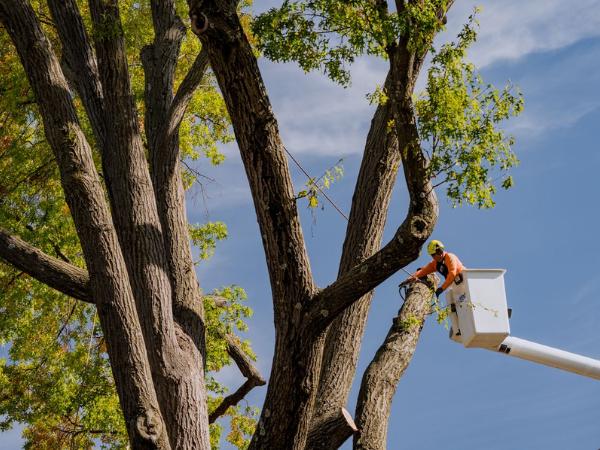
After powerful weather events occur, the aftermath can leave trees in perilous conditions, posing risks to property and safety. Trained arborists are essential in crisis management, assessing trees harmed by the storm to check how safe and healthy they are. With their skill, they can discern which trees can be salvaged and which present immediate dangers that must be removed.
Equipped with specialized tools, arborists can safely prune broken branches and clear debris, reducing additional harm to surrounding areas. Arborists also offer helpful guidance on preventive measures, such as choosing sturdy types of trees for subsequent landscaping.
Apart from the initial cleanup, tree specialists assist clients in grasping the possible lasting consequences of the storm, giving counsel on how to repair and revive. By acting swiftly and efficiently, professional arborists not only protect property but also aid in the recovery of the local environment after severe storms.
Nutritional Support and Ground Care
Subsequent to storm damage, the priority becomes the health of remaining trees, emphasizing the necessity of nutrient assistance and earth maintenance. A certified tree specialist checks soil conditions and tree vitality to determine specific nutritional needs. Trees must have vital elements, including nitrogen, phosphorus, and potassium, to recover and thrive after stress events.
Ground care is vital to nutrient availability and root growth. Arborists may recommend soil amendments, including organic matter, to improve the ground's composition and microbe function. Proper pH levels are also assessed, as they impact nutrient uptake.
Applying mulch can help the soil hold water and suppress weeds, fostering a perfect setting for the tree's recuperation. With a detailed feeding regimen and using smart soil maintenance methods, arborists make certain trees regain strength, resilience, and overall health, vital for keeping the environment stable following ecological disruptions.
Frequently Asked Questions
How Often Should I Have My Trees Inspected?
Trees should ideally be inspected once a year for optimal condition. Nevertheless, checking them more often may be necessary for younger trees, post-major weather incidents, or if they show signs of stress or sickness.
What Expertise is Needed in an Arborist?
In your search for a tree expert, one should look for credentials such as ISA (the ISA) accreditation, relevant experience, adequate protection, and a strong reputation locally, ensuring expertise in tree care and safe procedures.
What Specialized Gear Do Arborists Need for Tree Care?
Arborists employ various specialized tools for tree care, like chainsaws, pruning shears, climbing gear, and stump grinders. Every refer to this page piece of equipment has a distinct function, ensuring effective maintenance, pruning, and tree extraction while promoting overall health and safety.
In What Ways Does the Weather Impact Tree Health?
Weather conditions greatly impact tree health; excessive rain can lead to root rot, while drought stresses trees. Temperature extremes can lead to the destruction of leaves and branches, consequently impacting growth, resilience, and total vitality of the trees.
Am I able to care for my trees personally, or Do I need to call in a specialist?
Although certain simple tree maintenance jobs can be done by people themselves, hiring a professional is often advisable - Florence Arborist. Professionals have the necessary tools and specific knowledge, making certain the trees obtain the appropriate care required for peak growth and vitality